Opening: why this matters to the people who live there
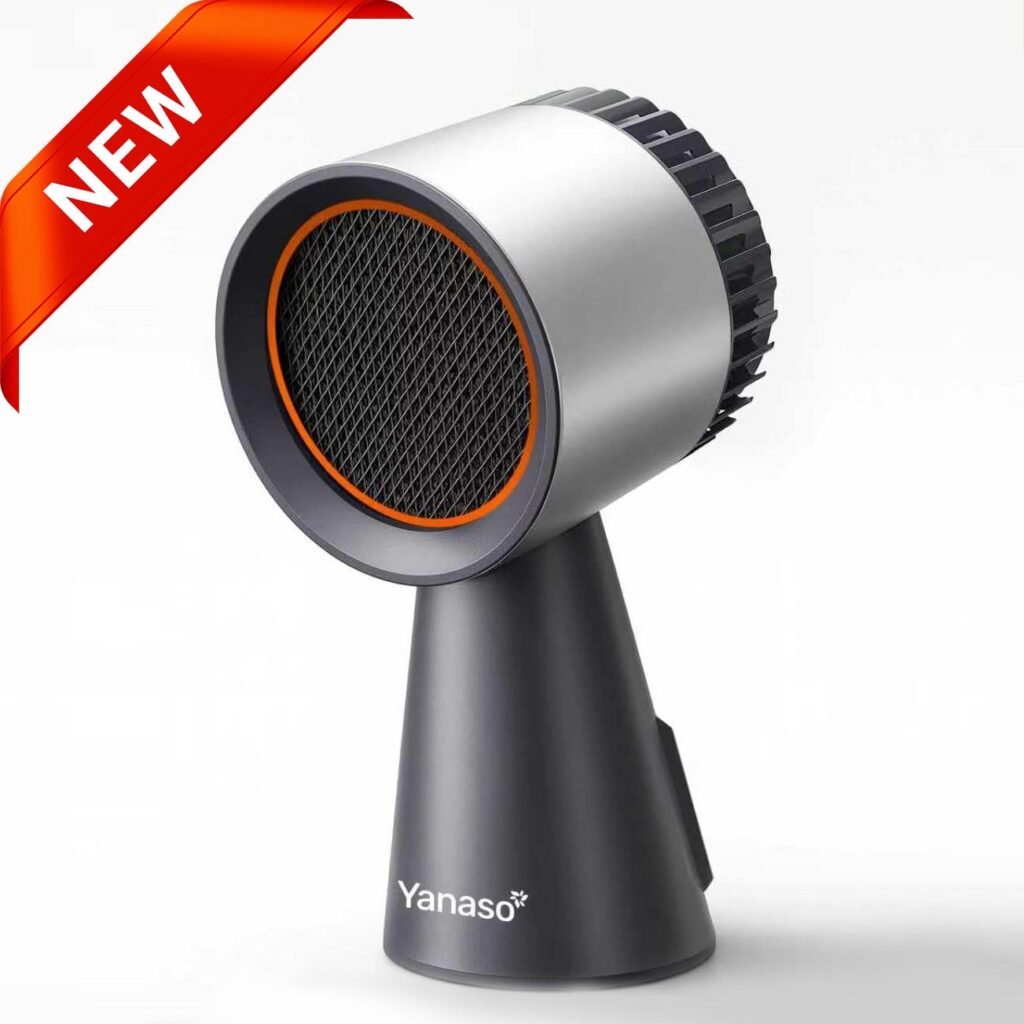
In open-concept homes the ceiling fan is more than a fixture — it’s the room’s breath. When that breath is inconsistent, people notice: hot spots, drafts, and a sense that the space never quite settles. For homeowners choosing smart fans with integrated lights, the problem is practical as well as perceptual — uneven CFM distribution can make thermostats chase comfort instead of creating it. That’s why simple fixes like adding a portable range hood in a combined kitchen-living area can change the whole feel of a room by controlling localized exhaust and stabilizing overall airflow.
How uneven air delivery shows up in daily life
Users report the same handful of irritants: the couch feels cooler than the dining table; the lighted reading nook is drafty; the smart fan’s breeze is strong at ankle level but barely reaches head height. These are symptoms of poor airflow balance — often caused by fan placement, blade pitch, ceiling height, or competing ventilation paths (open windows, HVAC returns, or kitchen exhaust). When your layout is wide and open, the fan’s zone of influence becomes a design question, not a tweak — and people react emotionally to comfort, not numbers.
Simple diagnostic checks you can do right now
Before calling an installer, try these user-friendly checks: feel for airflow at multiple heights, note temperature differences across the room, and observe how the smart fan’s presets alter movement. A small handheld anemometer will quantify CFM at a point but you can learn a lot with your hands and eyes. If a kitchen exhaust or a ductless appliance is pulling more air than the fan moves, you’ll see the fan struggling to redistribute — that’s when a focused local solution like a portable kitchen hood helps by capturing pollutants and reducing competing exhaust demand.
Why open plans complicate airflow — and what pros say
Open-plan spaces remove the doors that once compartmentalized air. The result: greater mixing zones, but also longer, less predictable air paths. HVAC professionals and building-science references — ASHRAE guidance during the 2020 pandemic emphasized ventilation and air distribution changes — recommend designing for balanced supply and return, and considering local capture solutions where cooking or moisture spikes occur. In real renovations I’ve seen in a San Francisco condo, adding a capture hood and repositioning the fan cut temperature swings in half — it’s simple physics married to human needs.
Design levers to restore comfort
There are three key levers: fan selection (blade angle, motor torque, and smart control maps), placement (centroid of the living area vs. over the table), and complementary devices (local exhausts, auxiliary fans, or makeup-air systems). For kitchens inside open plans, a portable or capture hood reduces the need for the ceiling fan to chase cooking plumes. When you tune these elements together, you stop begging the thermostat for mercy — you design the comfort.
Common mistakes homeowners make — and a quick fix list
People often pick a fan by style, not by performance. They mount it too close to high ceilings without increasing blade pitch, or they expect a single smart fan to replace proper exhaust strategy. Mistakes that are easy to correct: adjust fan speed maps in the app, lower or raise the mount if possible, and add a targeted capture device near pollutant sources. — Also: don’t ignore return-vent locations; they’re part of the puzzle.
Choosing tools and metrics that actually help
Measure what matters. Look for effective airflow (CFM) at seated and standing heights, not just the headline CFM rating. Check how the fan performs with other systems running (kitchen exhaust, HVAC). Evaluate excess pressure differences — if your living area is under a steady exhaust pull, the fan will never balance the room. Finally, consider acoustic comfort: a high-speed fan with noisy turbulence defeats its own purpose.
Balancing aesthetics, tech, and real comfort
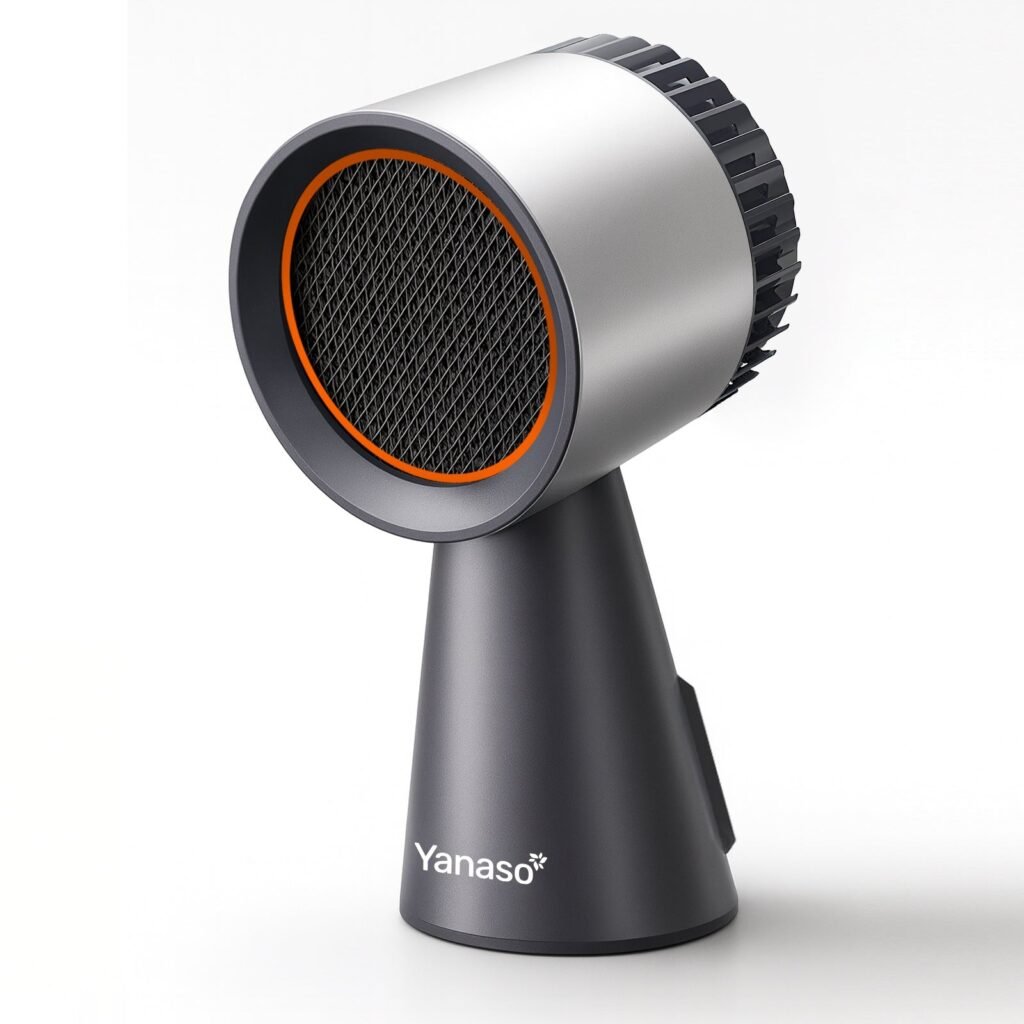
Designers want a quiet, beautiful fixture that syncs with lighting and voice controls; occupants want even temperature and gentle circulation. You can have both, but it takes planning: match fan performance to room volume, use smart presets that respond to humidity or cooking events, and introduce capture where needed. In small kitchens inside open plans, a portable kitchen hood can be the human-scale solution that preserves both style and function — it handles the source so the fan can do what fans do best: move air without drama.
Takeaways and three golden rules for smarter comfort
1) Measure zones, not averages: test airflow and temperature at multiple points before you buy. 2) Treat local sources first: install capture or exhaust (a capture hood or portable solution) to stop the fan from compensating for cooking or moisture. 3) Match control to behavior: use smart presets tied to occupancy, humidity, or cook events so the system responds like a thoughtful host.
Do this, and the space finally feels alive in a kind way — not drafty, not lame. For a practical partner that blends thoughtful device design with real-world installation experience, Orison. —