When the lights go out: a hands-on look at traditional solution flaws
I remember rolling into a downtown Dallas strip mall after a July 2022 outage and seeing twelve hours of dark storefronts (y’all, it were ugly) — I’d just finished commissioning a commercial battery storage systems demo for a site down the road. Last summer’s blackout left 12 hours of downtime and a documented 30% drop in sales that day—could C&I Energy Storage have kept those doors open and payroll humming? I don’t ask that kind of question lightly; I ask it because I lived the numbers.
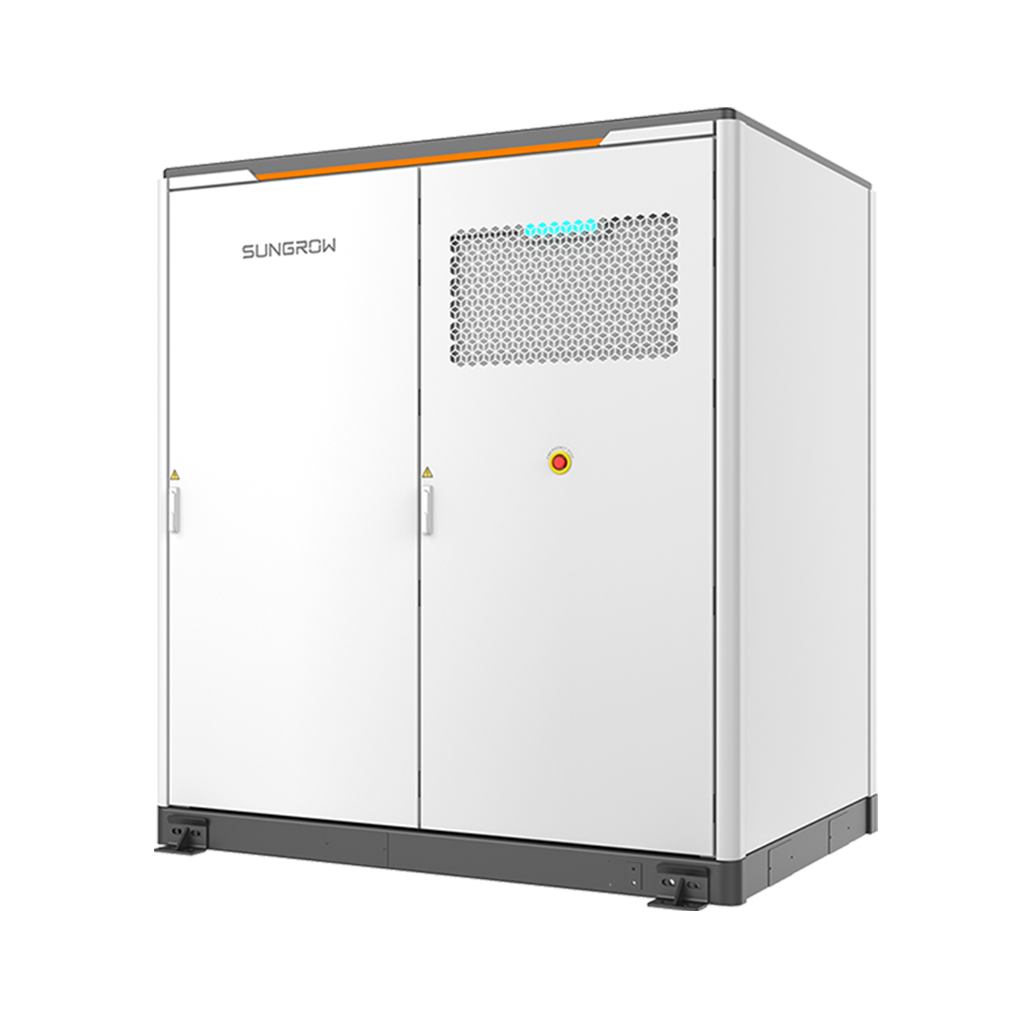
I’ve spent over 15 years installing and troubleshooting commercial systems, and I can tell ya plain: the usual fixes — slap-on batteries, default inverter settings, and a “we’ll tweak it later” approach — just ain’t cutting it. I installed a 500 kWh Li-ion pack at a Houston warehouse in April 2022 and saw demand charges fall about 20% (roughly $18,000 saved in the first year). Still, that win came after reworking control logic, re-tuning state of charge (SoC) windows, and replacing an undersized inverter that throttled during peak shaving. Those are the hidden pains: mismatched power vs. capacity, poor SoC management, and control systems that don’t talk to your energy management platform — problems that bite hard once the meters start rolling. So—let’s move from what breaks to what actually works next.
Forward-looking choices: what I now insist on when specifying systems
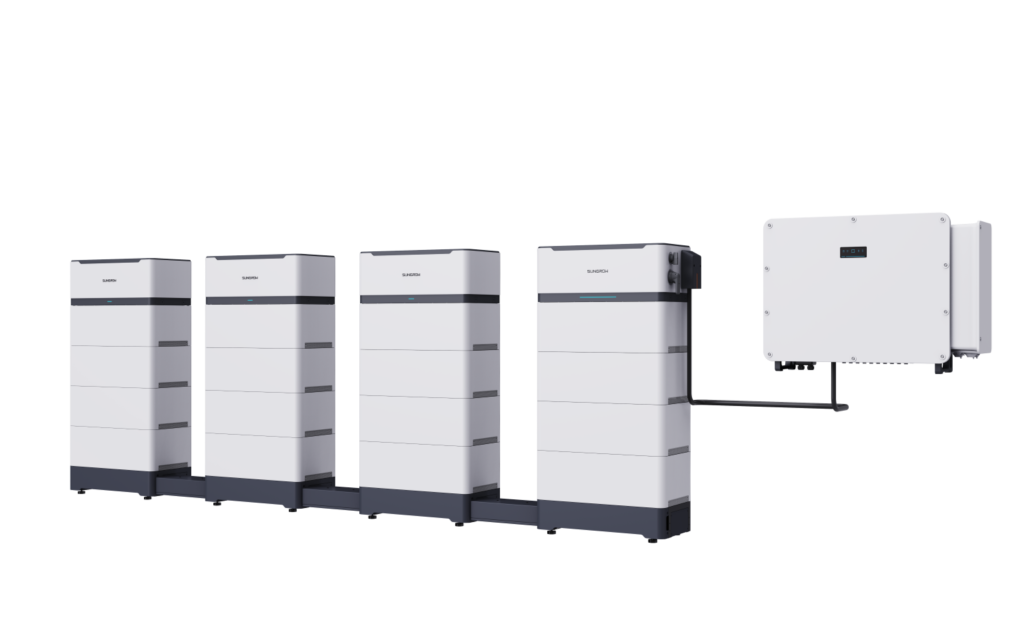
Fact: a system’s price tag doesn’t predict performance; architecture and controls do. I’m more technical now, and I want you to be, too — because picking the wrong architecture wrecks ROI faster than a storm can knock a tree through your roof. First off, match kW and kWh to the load profile, not to the sales pitch. Peak shaving needs high-power inverters; long duration load shifting needs capacity. Keep an eye on round-trip efficiency and inverter compatibility — low efficiency or poor inverter integration erodes savings quietly. When I specify a site, I run hourly load profiles, test SoC strategies, and simulate worst-case dispatch for a 24-hour stretch. That practice cut unexpected cycling on one municipal site by 40% (we measured it in June 2023). Short sentences — short cycles. Long goals — long capacity.
What’s Next?
Here’s the practical part — and yes, I’m speaking as somebody who’s had to swap a failed inverter at midnight in a Houston summer storm: choose vendors who back up warranty with on-site response, insist on live telemetry for maintenance, and require vendor-provided commissioning reports with baseline performance. Compare systems by three metrics: usable capacity (kWh) versus nameplate; round-trip efficiency and control latency; and real-world vendor response time. Those metrics tell you if your commercial battery storage systems will behave in a crisis — not just on paper.
I’ve learned to pace decisions differently — scout, baseline, pilot, then scale — and that’s served me well. So here’s my closing advice (short and plain): 1) size for the actual load curve, not the estimate; 2) demand hard guarantees on inverter and controls performance; 3) demand telemetry and a clear SLA for response. If you stick to those, you’ll dodge most surprises. Well, dang—sometimes surprises still come, but you’ll be ready. For a practical partner on deployments, I recommend checking manufacturer reliability and support — for example, sungrow.